
Adaptive Teaching Through Technology: Supporting Autistic Learners
Author: Laura Baggley
This article uses identity-first language (e.g. “autistic learner”) in line with the preferences expressed by many autistic people and contemporary UK autism organisations. Individual language preferences vary and should always be respected.
Introduction
Technology is increasingly embedded within classroom practice and has significant potential to improve accessibility for autistic learners. However, technology itself is not a solution. Rather, its value lies in its ability to remove barriers to learning, provide flexibility and support learners to access, process and demonstrate knowledge more effectively.
Many autistic learners experience differences in information processing, communication, sensory processing, executive functioning and working memory. These differences do not indicate lower ability. Instead, they can influence how learners engage with information and how easily they are able to demonstrate their understanding. Difficulties are often created when information is presented in ways that place unnecessary demands on processing, memory or communication.
Research from autism education, cognitive science and multimedia learning suggests that technology can be particularly effective when it is used to reduce cognitive load, provide visual support, increase predictability and offer alternative ways for learners to communicate their understanding (Grynszpan et al., 2014; Mayer, 2014).
This article explores how technology can support autistic learners through the framework of input, elaboration and output whilst also considering the roles of working memory, executive functioning and sensory processing in learning.
Understanding Learning Through Input, Elaboration and Output
A useful way of understanding adaptive teaching is through the concepts of input, elaboration and output.
Input refers to how information is received.
Elaboration refers to how information is processed, organised and connected to existing knowledge.
Output refers to how learners communicate or demonstrate what they know and understand.
Difficulties can occur at any stage of this process. Importantly, challenges observed during assessment may not necessarily reflect a lack of understanding. Difficulties with processing information during input or making sense of information during elaboration can affect what is ultimately observed during output.
Viewing learning through this framework encourages teachers to identify where barriers exist and how technology can be used to remove them.
Supporting Input: Making Information More Accessible
Input is the first stage of learning and involves how information enters the learning system. In classrooms, information is often presented through spoken language, written text, images, demonstrations or a combination of these approaches.
Research has shown that many autistic learners experience differences in auditory processing, language processing and sensory filtering (Demopoulos et al., 2024). As a result, listening to lengthy verbal explanations, identifying key information within a busy environment or retaining spoken instructions whilst completing a task can be challenging.
Technology can help reduce these barriers by making information more accessible and allowing learners greater control over how they engage with content.
Examples include:
• Captions and subtitles and slower playback on videos.
• Written instructions alongside verbal explanations.
• Recorded lessons and replayable explanations.
• Visual prompts and cues.
• Highlighted key vocabulary.
• Adjustable display settings.
• Interactive models and diagrams.
• Digital resources that can be revisited independently.
One of the greatest advantages of technology is that it allows learners to revisit information. In traditional classroom teaching, spoken information is often transient. Once it has been delivered, learners must rely on memory. Digital resources provide opportunities to pause, replay and review information as often as required, supporting learners who may need additional processing time.
Dual Coding and Multimedia Learning
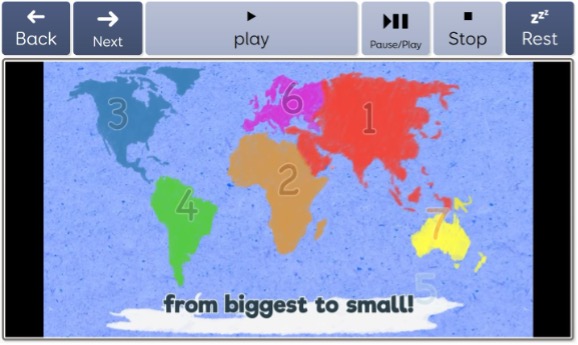
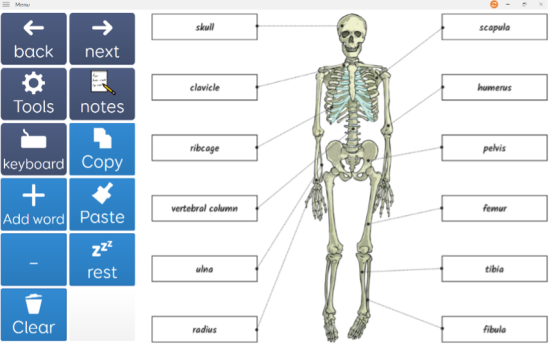
Technology can also support the use of dual coding. Dual Coding Theory suggests that information is processed through both verbal and visual systems, and learning can be enhanced when these systems work together (Paivio, 1991).
Similarly, Mayer’s Cognitive Theory of Multimedia Learning proposes that learners benefit when information is presented through carefully integrated visual and verbal channels (Mayer, 2014).
Examples include:
• Annotated diagrams.
• Visual timelines.
• Infographics.
• Images paired with text.
• Videos with captions.
• Interactive graphic organisers.
For autistic learners, these approaches can reduce reliance on language alone and support understanding by making abstract concepts more concrete. However, it remains important to avoid excessive animations, decorative graphics to fill space or competing sources of information that may increase cognitive load.
Reducing Working Memory Demands
Working memory plays a vital role in learning. It allows learners to hold information in mind whilst processing, organising and applying it.
Many classroom activities place considerable demands on working memory. Learners may be expected to remember instructions, gather resources, complete tasks and monitor their progress simultaneously.
Research has shown that reducing unnecessary cognitive demands improves learning outcomes (Gathercole & Alloway, 2008; Sweller, 1988). More recent studies have highlighted the importance of reducing extraneous cognitive load for neurodivergent learners in digital learning environments (PMC11020716, 2024).
Technology can support working memory by providing:
• Digital checklists.
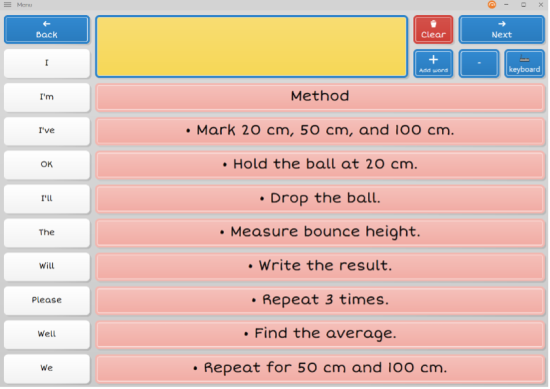
• Step-by-step instructions.
• Worked examples and models.
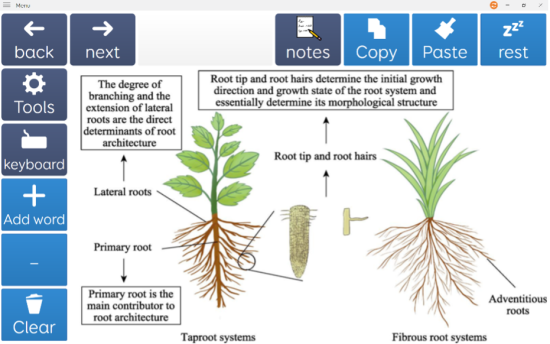
• Visual task breakdowns.
• On-demand access to information.
• Scaffolded resources.
These approaches allow learners to focus more of their cognitive resources on understanding and applying knowledge rather than remembering procedural information.
Supporting Auditory Processing Through Technology and Environmental Adaptations
Auditory processing differences are common amongst autistic learners and can affect how spoken information is received, interpreted and retained. These differences may include difficulties filtering background noise, distinguishing speech from competing sounds, processing verbal information quickly enough to keep pace with classroom instruction, and retaining spoken information in working memory (Demopoulos et al., 2024; Alcántara et al., 2004).
As a result, learners may appear inattentive, require repetition of instructions, or experience cognitive fatigue when required to process large amounts of verbal information. Research suggests that effective support should focus on reducing reliance on auditory input alone and providing information through multiple modalities (Mayer, 2014).
Technology can play a significant role by offering captions and subtitles, speech-to-text tools, recorded lessons, replayable instructions, text-to-speech functionality, and visual supports that accompany spoken explanations. These adaptations allow learners to revisit information at their own pace and reduce the working memory demands associated with retaining spoken language (Gathercole & Alloway, 2008).
Equally important is the physical learning environment. Classrooms that minimise unnecessary background noise, reduce competing auditory distractions, provide predictable routines, and position learners where speech can be heard clearly are more likely to support successful information processing. Providing written instructions alongside verbal explanations, highlighting key vocabulary, using visual timetables and ensuring access to lesson materials before and after teaching can further reduce cognitive load and improve access to learning.
Together, environmental adaptations and technology-enhanced supports create a more accessible learning experience by reducing barriers associated with auditory processing and enabling learners to focus their cognitive resources on understanding and engaging with the curriculum.
Supporting Elaboration: Helping Learners Make Meaning
Elaboration is the process through which learners organise information, make connections and construct understanding.
Research suggests that autistic learners may sometimes require additional support to identify implicit meanings, make inferences and generalise learning across different contexts (Happé & Frith, 2006). This can be particularly evident in reading comprehension, where decoding skills may be strong but understanding deeper meanings or relationships between ideas can be more challenging (Nation et al., 2006).
Technology can support elaboration through:
• Digital concept maps.
• Graphic organisers.
• Mind-mapping software.
• Annotation tools.
• Colour coding.
• Interactive diagrams.
These tools make thinking more visible and support learners in organising information that might otherwise remain abstract or difficult to connect.
Assistive Reading Technologies
Technology can also reduce barriers associated with reading and comprehension.
Assistive reading tools such as text-to-speech software, adjustable text displays and vocabulary support tools can reduce the cognitive effort required to access written material.
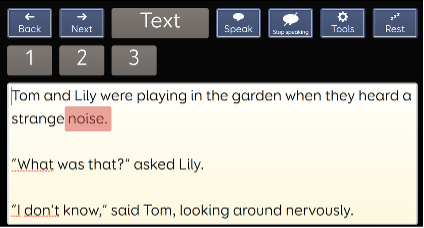
These adaptations allow learners to devote more attention to comprehension rather than decoding or navigating text. Visual supports such as highlighted key vocabulary, colour-coded information, highlighting on reading or speaking out and annotation tools can further direct attention towards important information.
This aligns with the signalling principle, which suggests that learners benefit when key information is visually highlighted or emphasised (Mayer, 2014; De Koning et al., 2009).
Supporting Output: Demonstrating Understanding
Output refers to how learners communicate their knowledge and understanding.
Traditional assessment methods often rely heavily on written work and verbal responses. However, for some autistic learners, these methods may introduce barriers that are unrelated to understanding itself.
Executive functioning differences, language-processing demands, anxiety and motor difficulties can all affect a learner’s ability to demonstrate what they know (Demetriou et al., 2018).
Technology can provide more flexible methods of expression, including:
• Speech-to-text.
• Audio recordings.
• Video responses.
• Digital presentations.
• Predictive text tools.
• Alternative communication technologies (AAC).
• Digital planning and mind-mapping tools.
Providing multiple methods of expression aligns with Universal Design for Learning (CAST, 2024), which emphasises the importance of allowing learners to demonstrate understanding in different ways.
When barriers to communication are reduced, assessment is more likely to provide an accurate picture of a learner’s understanding.
Supporting Executive Functioning
Executive functioning includes planning, organisation, self-monitoring, time management and task initiation.
Differences in executive functioning are common amongst autistic learners and can influence educational outcomes independently of academic ability (Pellicano, 2012; Demetriou et al., 2018).
Technology can provide valuable support through:
• Digital planners.
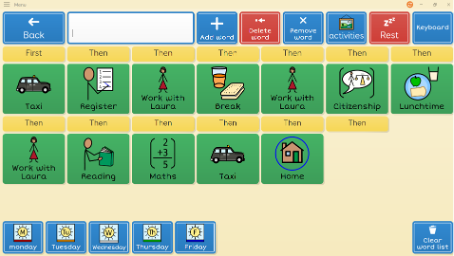
• Visual schedules.
• Calendar reminders.
• Timers.
• Task management applications.
• Assignment trackers.
• Digital checklists.
These tools support independence and reduce the cognitive demands associated with managing increasingly complex learning tasks.
Predictability, Anxiety and Learning
Many autistic learners benefit from predictable learning environments. Uncertainty can increase anxiety and consume cognitive resources that would otherwise be available for learning.
Technology can help increase predictability by providing:
• Access to lesson materials in advance.
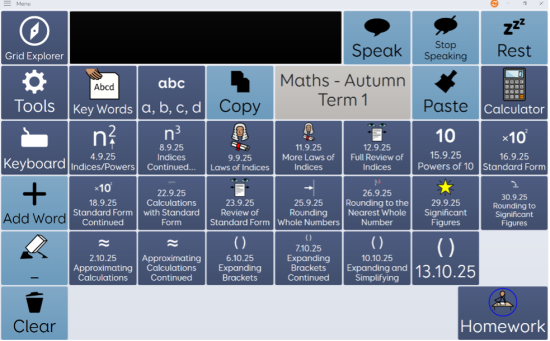
• Digital lesson agendas.
• Visual schedules.
• Clear success criteria.
• Consistent online learning platforms and layouts.
• Structured learning routines.
These adaptations help reduce uncertainty and create conditions that allow learners to focus more fully on learning.
Immediate Feedback and Independent Learning
Effective feedback is timely, specific and actionable.
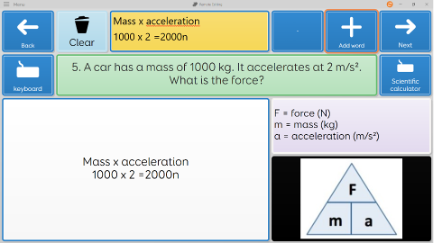
Technology can support independent learning through self-marking quizzes, interactive tasks and digital retrieval activities that provide immediate feedback. These tools allow learners to identify misconceptions quickly, monitor progress and make corrections independently.
For autistic learners, immediate feedback can reduce uncertainty, increase confidence and support self-regulation throughout the learning process.
Implications for Classroom Practice
Technology is most effective when it is used to remove barriers rather than simply replace traditional teaching methods.
Adaptive teaching for autistic learners involves considering how information is presented, how understanding is developed and how learning is demonstrated. Technology can support each of these stages by reducing cognitive load, improving accessibility, supporting executive functioning and providing flexible methods of communication.
Many of the approaches discussed in this article, including visual supports, explicit instruction, reduced cognitive load, structured routines and flexible methods of expression, are not only beneficial for autistic learners but align with wider principles of inclusive practice and Universal Design for Learning.
By using technology strategically, teachers can create classrooms that are more accessible, more inclusive and more responsive to the diverse ways in which learners process, understand and communicate knowledge.
Grid 3 Software
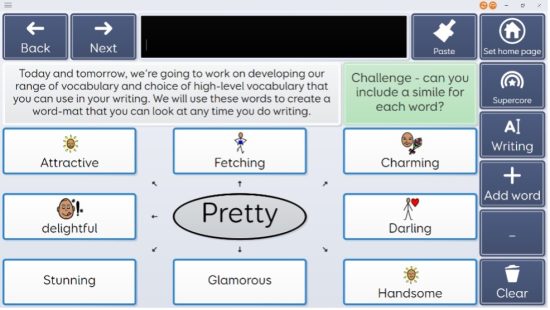
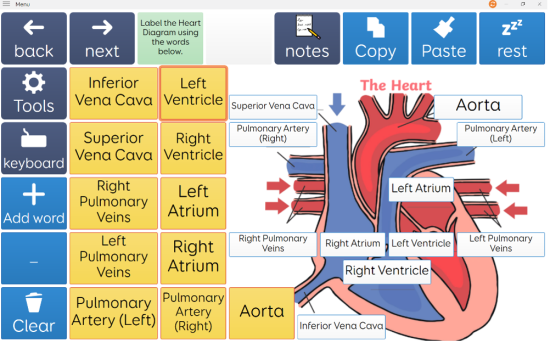
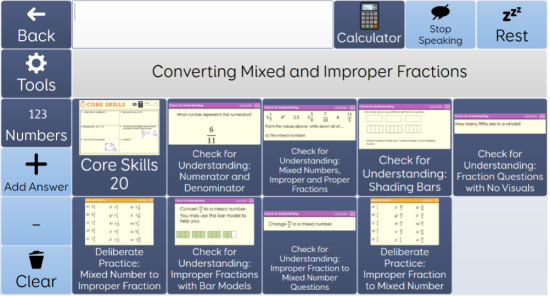
A practical example of these principles in action can be seen through CandLE’s use of Grid 3 software. Grid 3 provides a highly adaptable learning environment that supports autistic learners across the stages of input, elaboration and output. Information can be presented through a combination of text, images and speech output, aligning with principles of dual coding and reducing reliance on verbal processing alone. Key information can be highlighted visually, instructions can be broken down into manageable steps, and learners can access content at their own pace, reducing working memory demands and cognitive load.
The software’s customisable layouts and predictable navigation support executive functioning by providing structure, organisation and clear routines. Grid 3 also addresses auditory processing differences by allowing learners to revisit information, access text alongside speech, and engage with multimodal content.
Perhaps most significantly, it provides multiple avenues for output, enabling learners to communicate understanding through symbols, text, recorded speech or alternative communication methods. In this way, Grid 3 exemplifies how technology can be used not simply as a teaching tool, but as an adaptive platform that removes barriers to learning, increases independence and allows learners to demonstrate their knowledge in ways that more accurately reflect their understanding.
Through CandLE, Grid 3 is used not as a standalone intervention but as part of a wider adaptive teaching approach, ensuring that technology supports access to learning, meaning-making and communication whilst promoting independence and participation across the curriculum.
References
Alcántara, J. I., Weisblatt, E. J. L., Moore, B. C. J., & Bolton, P. F. (2004). Speech-in-noise perception in high-functioning individuals with autism or Asperger syndrome. Journal of Child Psychology and Psychiatry, 45(6), 1107–1114.
CAST. (2024). Universal Design for Learning Guidelines Version 3.0. CAST.
De Koning, B. B., Tabbers, H. K., Rikers, R. M. J. P., & Paas, F. (2009). Towards a framework for attention cueing in instructional animations. Educational Psychology Review, 21(2), 113–140.
Demetriou, E. A., Lampit, A., Quintana, D. S., et al. (2018). Autism spectrum disorders: A meta-analysis of executive function. Psychological Medicine, 48(13), 2115–2137.
Demopoulos, C., et al. (2024). Auditory processing differences in autistic children.
Gathercole, S. E., & Alloway, T. P. (2008). Working Memory and Learning: A Practical Guide for Teachers. London: Sage.
Grynszpan, O., Weiss, P. L., Perez-Diaz, F., & Gal, E. (2014). Innovative technology-based interventions for autism spectrum disorders: A meta-analysis. Autism, 18(4), 346–361.
Happé, F., & Frith, U. (2006). The weak coherence account: Detail-focused cognitive style in autism spectrum disorders. Journal of Autism and Developmental Disorders, 36(1), 5–25.
Mayer, R. E. (2014). The signalling principle in multimedia learning. In R. E. Mayer (Ed.), The Cambridge Handbook of Multimedia Learning (2nd ed.). Cambridge University Press.
Nation, K., Clarke, P., Wright, B., & Williams, C. (2006). Patterns of reading ability in children with autism spectrum disorder. Journal of Autism and Developmental Disorders, 36(7), 911–919.
National Autistic Society. (2024). Reading and comprehension guidance. National Autistic Society.
Paivio, A. (1991). Dual coding theory: Retrospect and current status. Canadian Journal of Psychology, 45(3), 255–287.
Pellicano, E. (2012). The development of executive function in autism. Autism Research and Treatment, 2012, 146132.
Sweller, J. (1988). Cognitive load during problem solving: Effects on learning. Cognitive Science, 12(2), 257–285.
PMC11020716. (2024). Cognitive load and neurodivergent learners in digital learning environments.
PMC11590154. (2024). Assistive technology and educational support for autistic learners.