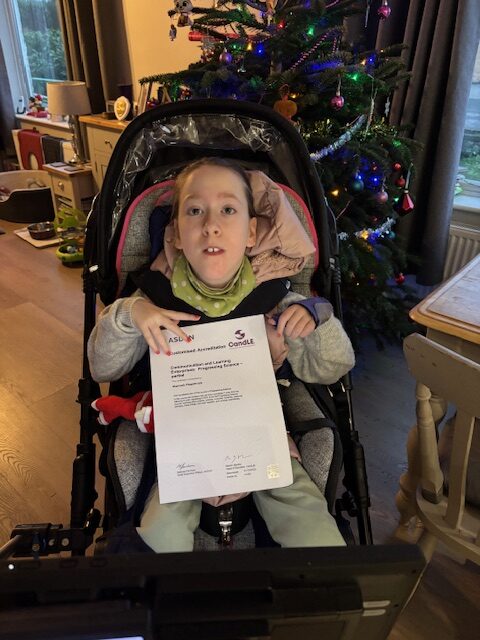
CandLE have supported the access to formal examinations (Entry Levels, GCSEs, A-Levels, International Baccalaureates and university-level) for a number of students.
Working with the setting, the family and the student CandLE can advise on adaptations of Normal Ways of Working (NWoW) in class to find the optimum way, reducing as many barriers as possible.
CandLE can support the setting in applying for the appropriate exam access arrangements which for some students may include an Alternative Evidence Assessment (AEA) approach. As part of this CandLE may provide written reports that can be used as supplementary evidence in requesting specific arrangements. This is bespoke to each individual and because of this reason the student must be assessed by CandLE in their learning environment.
We have had approval for a range of access arrangements, in line with the Joint Council for Qualifications for the following exam boards across a range of courses:
Pearson/Edexcel
AQA
WJEC/Eduqas
OCR
Examples of Access Arrangements previously approved:
Alternative Evidence Assessment
Taking the exam at home
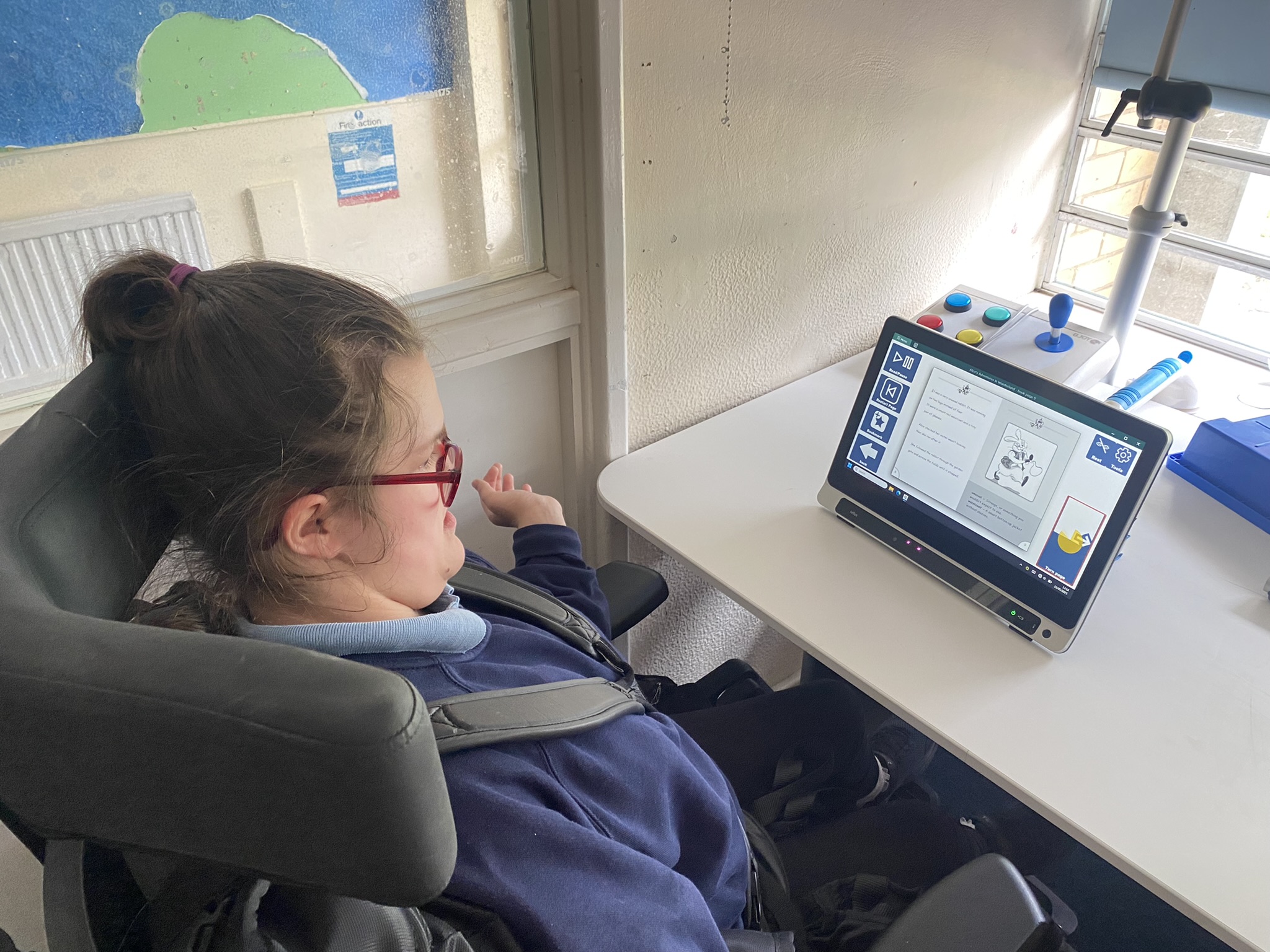
Exams adapted into Grid 3 AAC software
AAC use/vocabulary packages
Human reader/scribe/practical assistant
Extensive extra time (e.g. 800%)
Sentence starters and quote banks (for essay-style questions)
What are Normal Ways of Working (NWoW)?
JCQ define NWoW as:
“The usual support arrangements that a student routinely uses in their day-to-day classroom learning and internal assessments.”
This means that any access arrangements (for example, using a word processor, having extra time, or using a reader) must reflect what the student normally does in lessons, homework, and internal tests, not just what they do in exams.
Paragraph 4.2.5 (in the “Access Arrangements and Reasonable Adjustments” 2025/26 document) states:
“The arrangement(s) put in place must reflect the support given to the candidate in the centre, for example: • in the classroom (where appropriate); • working in small groups for reading and/or writing; • support lessons; • intervention strategies; • in internal school tests/examinations; • mock examinations. This is commonly referred to as ‘normal way of working’.
For this reason, to offer any support, advice or guidance to the setting the student must be assessed by our team at CandLE to determine their NWoW before we can make recommendations for an individual.
CandLE cannot offer free general advice relating to a student without assessing the student in the first instance. Please see our position statement on reasoning for this below.
In the context of the JCQ (Joint Council for Qualifications), an alternative evidence assessment refers to a method of assessing a candidate’s skills, knowledge, and understanding that differs from the standard written examination format but still meets the same assessment objectives and maintains the integrity of the qualification.
An alternative evidence assessment is any approved method of assessment that:
Allows the candidate to demonstrate their ability in a way suited to their needs,
Does not alter the standard or demand of the qualification,
And reflects the candidate’s normal way of working in the centre (classroom, mocks, etc.).
Alternative Evidence Assessments can be negotiated with exam boards in situations where for a student, when all ‘standard’ exam access arrangements have been applied, the student would still be disadvantaged by sitting formal examinations.
Please see our blog post and handout for more information on Alternative Evidence Assessment.
Initial assessment on NWoW and exam access arrangements required – this would produce a report and recommendations on reducing barriers further and identifying NWoW and the relevant exam access arrangements required.
Following an assessment we can provide the following:
Ongoing on-demand support to the setting to support the exam access arrangement requests with the exam boards
Ongoing support to the setting to implement more productive NWoW in class
Ongoing support to the setting to design and implement a bespoke AEA package for an individual student that may require extensive exam access arrangements
Resource Development to adapt mocks and final exams (if required) into Grid 3 software
Resource Development services to design bespoke word banks for specific courses, as part of a student’s communication system
Resource Development services to design bespoke phrases to support instructing a scribe, reader or practical assistant, as part of a student’s communication system
These are all chargeable services.
Please get in touch to request an Exams Access Assessment.
We recommend that settings begin to explore adaptions to Normal Ways of Working from the earliest opportunity and assessments from CandLE should take place in the academic year before an exam sitting or at the earliest opportunity.
Supporting Parents
We created this parent letter template to help families start confident, informed conversations with their child’s setting about possible exam access arrangements.
Our letter does not assume eligibility, request specific arrangements, or offer external recommendations. Instead, it empowers parents to:
Ask the school to assess their child’s needs properly
Highlight that arrangements must be evidence-based and bespoke
Offer to share background information from home if helpful
Respect the school’s authority and responsibility in the formal process
We hope this gives you the right tools, confidence, and wording to advocate for your child.
When exam season looms, most students and schools prepare for the usual structure: final exams, controlled assessments, and strict timetables. But what happens when a student can’t sit an exam…
The AAC Exams Access Working Group is a collaborative group of professionals, parents, and AAC equipment suppliers in the UK, dedicated to supporting students using Augmentative and Alternative Communication (AAC) in accessing formal exams. They meet regularly to discuss best practices and develop guidance for parents and educational settings on requesting exam access arrangements. The group has published several documents and guides, including case studies and resources for teachers and students, to ensure that every young person can demonstrate their academic abilities using suitable access methods.